Dielectric test sets for insulating PPE
Showing 9 of 9


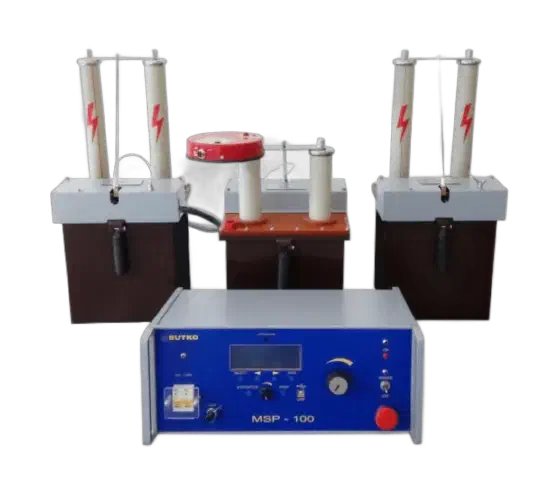
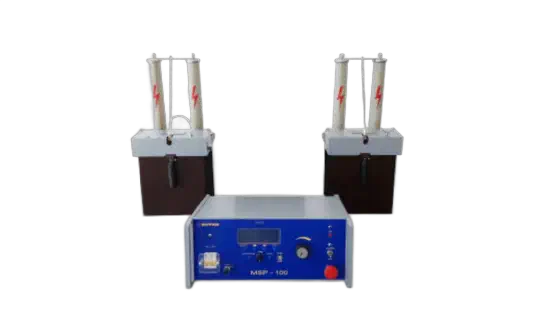
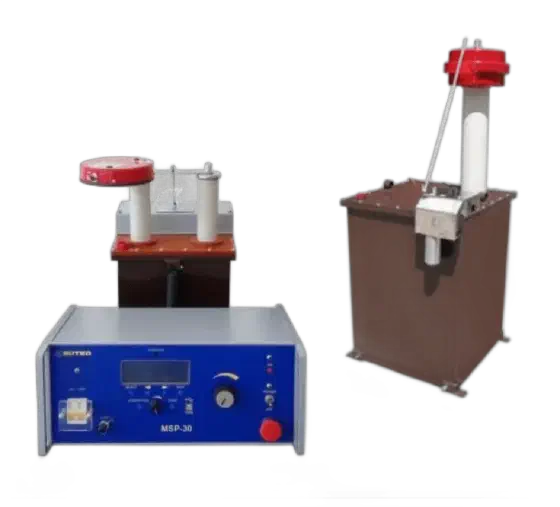
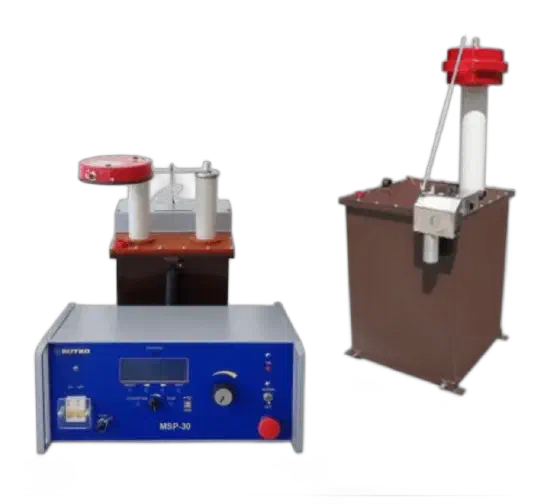
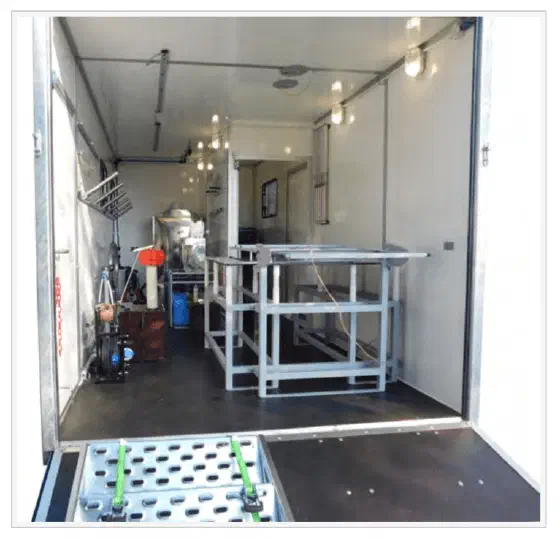
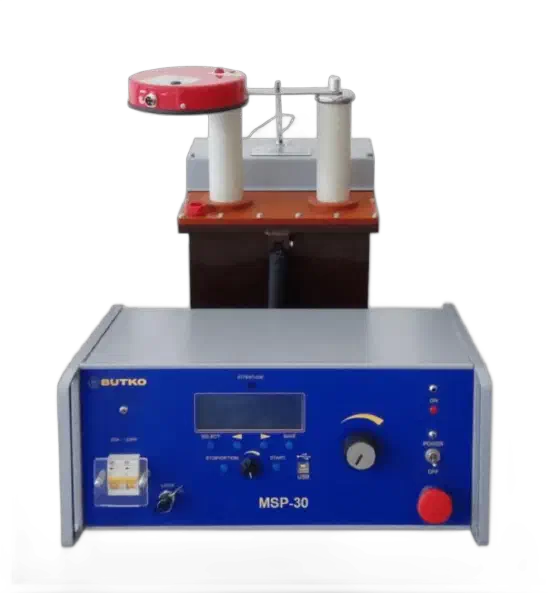
Dielectric test sets for insulating protective equipment verify the electrical safety of the gloves, sleeves, blankets, mats, hot sticks and rods that protect live-working personnel. The Amperis range for the electrical sector includes withstand-test benches and complete laboratories for the periodic re-testing of insulating PPE.
What it does and how it works
The set applies an AC (or DC) withstand voltage to the item for a defined time and measures the leakage current. Gloves and sleeves are filled with and immersed in water so the whole surface is stressed; mats, blankets and line hose are tested between electrodes; hot sticks and rods are tested along their length. The item passes when leakage stays below the limit and no breakdown occurs, certifying it safe to return to service.
How to choose the right set
- List the items you test: gloves, sleeves, blankets, mats, hot sticks, rods, boots.
- Check the withstand-voltage and leakage-current ranges.
- Decide between a single bench and a full re-testing laboratory.
- Consider throughput, water handling and automation.
- Prioritise traceable records and certificates.
Not sure how to set up your PPE laboratory? Do not hesitate to contact us.
Applications
- Utility and industrial PPE testing laboratories
- Periodic re-certification of insulating equipment
- Live-working and maintenance teams
- Health-and-safety departments
Applicable standards
Amperis equipment is referenced to the IEC/EN framework (not national PN/PL designations):
- IEC 60903 — live working: insulating gloves
- IEC 60984 — insulating sleeves
- IEC 61112 — insulating blankets; IEC 61111 — insulating matting
- IEC 60855 — insulating foam-filled tubes and solid rods
- ASTM F-series — equivalent North American methods
Frequently asked questions
How often must insulating gloves be re-tested?
In service, insulating gloves are typically re-tested every six months under IEC 60903 and local rules; equipment in storage has its own intervals.
What does the test actually measure?
It applies a withstand voltage for a set time and measures the leakage current, with a pass requiring leakage below the limit and no dielectric breakdown.
Why are gloves filled with water?
Filling and immersing a glove stresses the entire surface inside and out, so a weakness anywhere in the material is detected, not just at the contacts.
Technical resources
Combine PPE testing with the wider insulation resistance meter range and other measurements. Request a quote.