Micro-ohmmeters & loop impedance meters
Showing 6 of 6
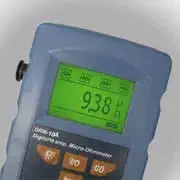
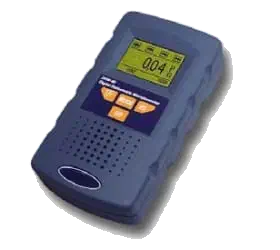
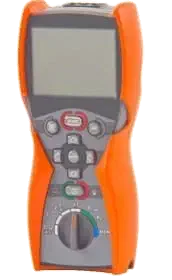
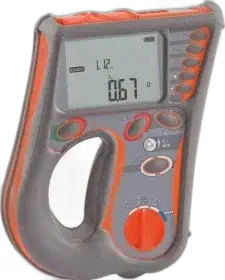
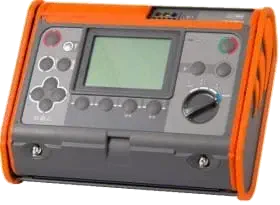
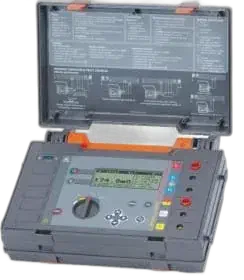
Low-resistance ohmmeters (micro-ohmmeters) and loop impedance meters measure the very small resistances that decide whether current flows safely — contact, joint and winding resistance, and the earth-fault loop of an installation. The Amperis range for the electrical sector includes high-current micro-ohmmeters and short-circuit loop impedance testers.
What it measures and how it works
A micro-ohmmeter uses the four-wire (Kelvin) method: it injects a known current — often from a few amps up to 100 A or more — and measures the resulting voltage drop, resolving micro-ohms free of lead and contact resistance. This is how breaker contacts, busbar and cable joints and transformer windings are checked. A loop impedance meter instead measures the earth-fault loop in a low-voltage installation to confirm the prospective fault current is high enough for protection to operate.
How to choose the right instrument
- Match the test current to the job: higher currents (≥100 A) for breaker contacts and joints.
- Require true four-wire leads for micro-ohm work.
- Check resolution and the resistance/impedance ranges you need.
- For loop testing, look for a no-trip mode on RCD-protected circuits.
- Prioritise memory and report export.
Not sure which instrument you need? Do not hesitate to contact us.
Applications
- Circuit-breaker and disconnector contact resistance
- Busbar, cable and bonding joints
- Transformer and machine winding resistance
- Earthing and equipotential bonding checks
- Earth-fault loop impedance in LV installations
Applicable standards
Amperis instruments are referenced to the IEC/EN framework (not national PN/PL designations):
- IEC 62271-1 — contact resistance of switchgear
- IEC 60076-1 — transformer winding resistance
- IEC 61557-3 — loop impedance measuring equipment
- IEC/EN 61010-1 — instrument safety
Frequently asked questions
Why use the four-wire method?
Separate current and voltage leads cancel the resistance of the test leads and contacts, so the reading reflects the true micro-ohm value of the joint or contact rather than the leads.
What test current should I use on breaker contacts?
A higher current (typically ≥100 A) mimics service conditions and breaks through oxide films; compare the result to the baseline, with healthy main contacts usually below 50 µΩ.
Why measure loop impedance?
It confirms the prospective short-circuit current is high enough for the protective device to disconnect within the time required by IEC 60364.
Technical resources
Combine low-resistance testing with circuit-breaker testing, transformer ratio and winding tests and multifunction installation testers. Request a quote.
Electrical test instrument selector Tell us what you need to measure and on which installation —insulation, earth, loop, RCDs, micro-ohmmeter and other measurements— and get the instrument that covers your specification, with its standard accessories and the ones worth adding. You can send us the selection with the technical report attached. Open the selector and find my equipment Close the selector
Undecided between several models? Compare them side by side: Insulation resistance testers compared · Multifunction installation testers compared · Earth resistance testers compared · Loop impedance testers compared